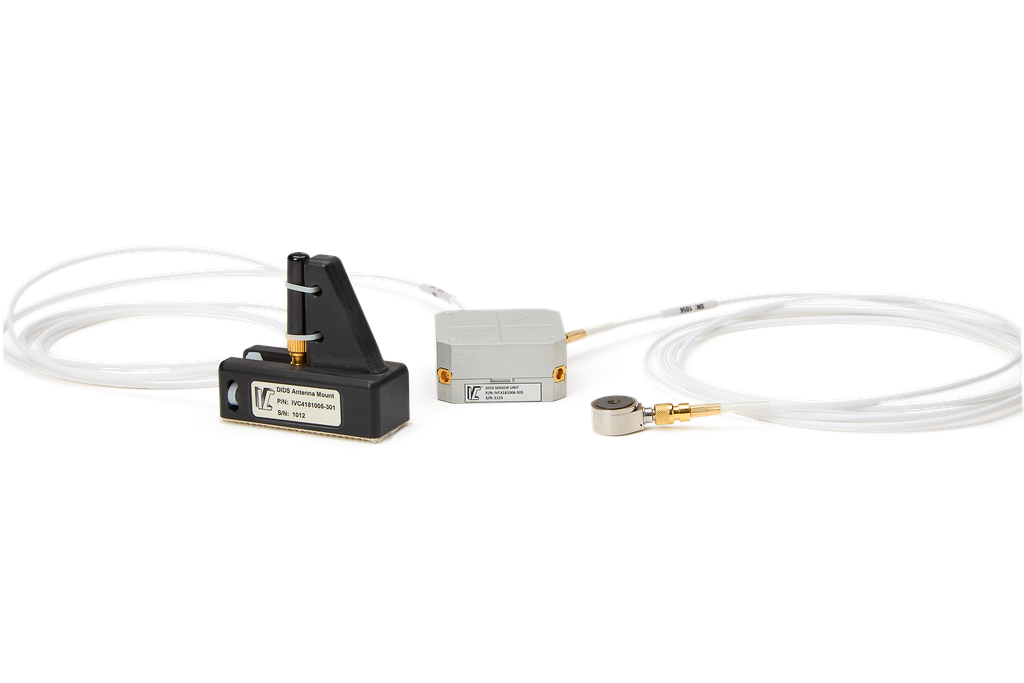
Key Specifications
Key Features
- Extremely Low-Power Trigger Architecture
Innovative signal conditioning circuit operates in the micro-watt range on average while maintaining continuous readiness to capture impact events in the hundreds-of-kilohertz range.
- Self-Powered Wireless Nodes
Miniaturized stick-on nodes operate for up to 2 years, with no wiring required.
- Multi-Mode Power Management
Four operating modes (Trigger, Data, Processing, RF Transmit) allow DIDS to minimize power while maximizing responsiveness to impact events.
- Impact Localization via Triangulation
Multi-node network uses time-of-arrival data to triangulate and determine the location of detected impacts on the monitored structure.
- Multi-Transducer Compatibility
Supports acoustic emission, accelerometer, and ultrasonic transducers, enabling application-specific sensor selection across different structure types.
- RF Configuration and Data Download
RF interface allows remote configuration of sensor thresholds and download of captured impact waveforms without physical access to the nodes.
Typical Applications
- Manned Spacecraft Impact Monitoring
Detects micro-meteoroid and orbital debris impacts on the International Space Station and other crewed vehicles.
- Structural Leak Detection
Ultrasonic sensor variant used for detecting leak events in pressurized spacecraft panels.
- Launch Vehicle Structural Monitoring
Monitors for acoustic emission events indicative of structural impacts or anomalies during pre-launch and ascent.
Available Configurations
DIDS nodes with acoustic emission transducers for detecting high-frequency stress waves from impact events.
Nodes with accelerometer transducers; typically uses larger transducers. Delivered to NASA for comparative testing.
Four directional ultrasonic transducers per node for leak detection applications.
[ Product Portflio ]
Related Products
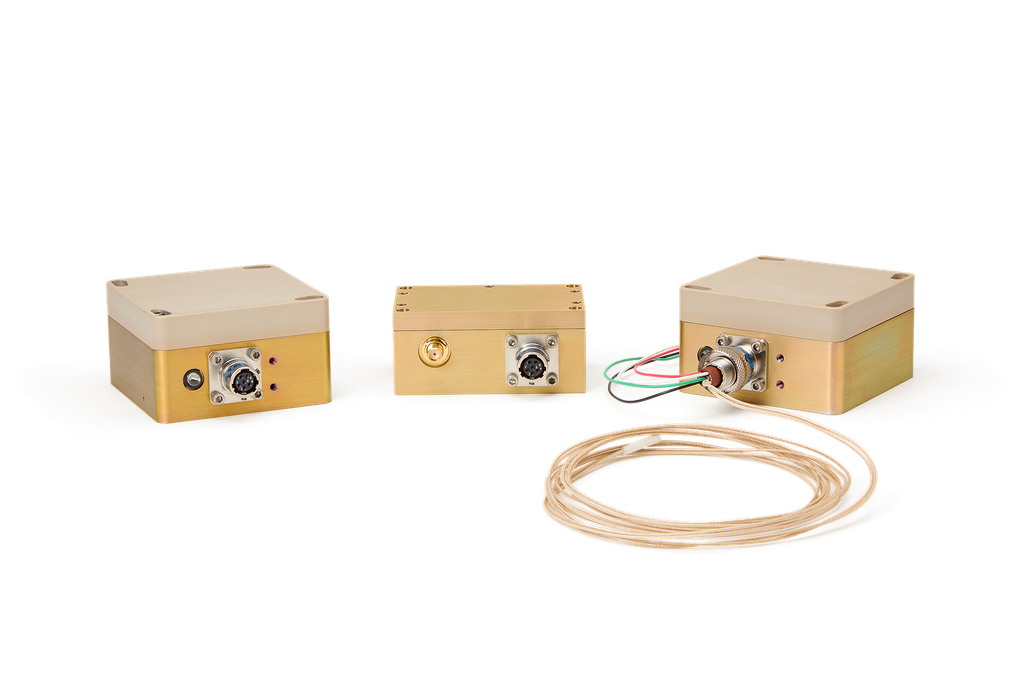
Reentry Breakup Recorder – Wireless Temperature Sensor (REBR-W)
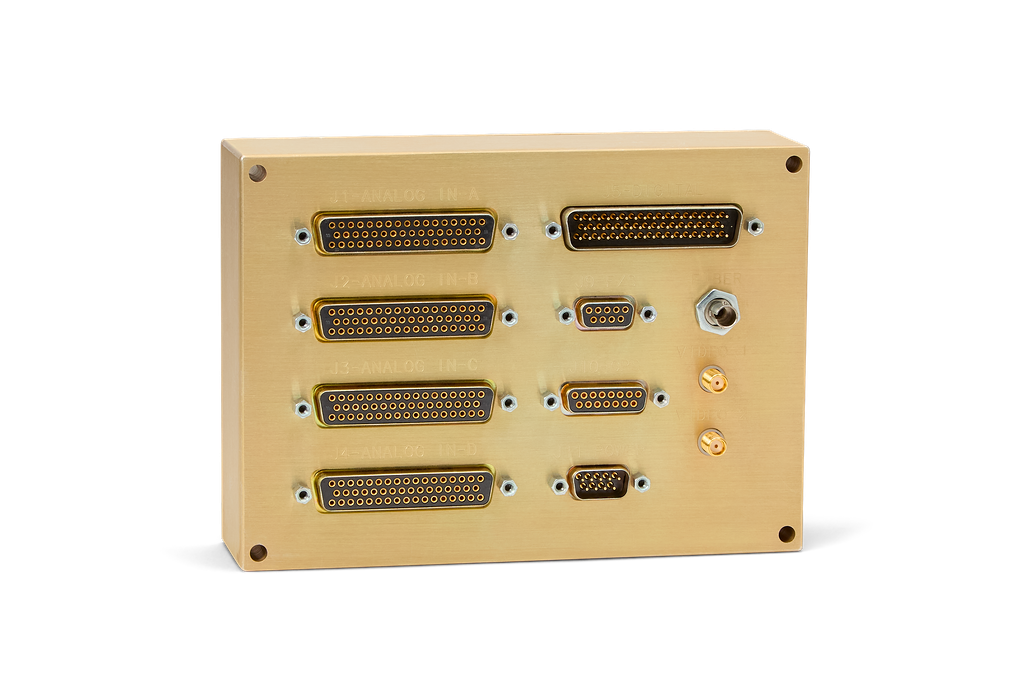
Integrated Pulse Coded Modulation Encoder (iPCMe)
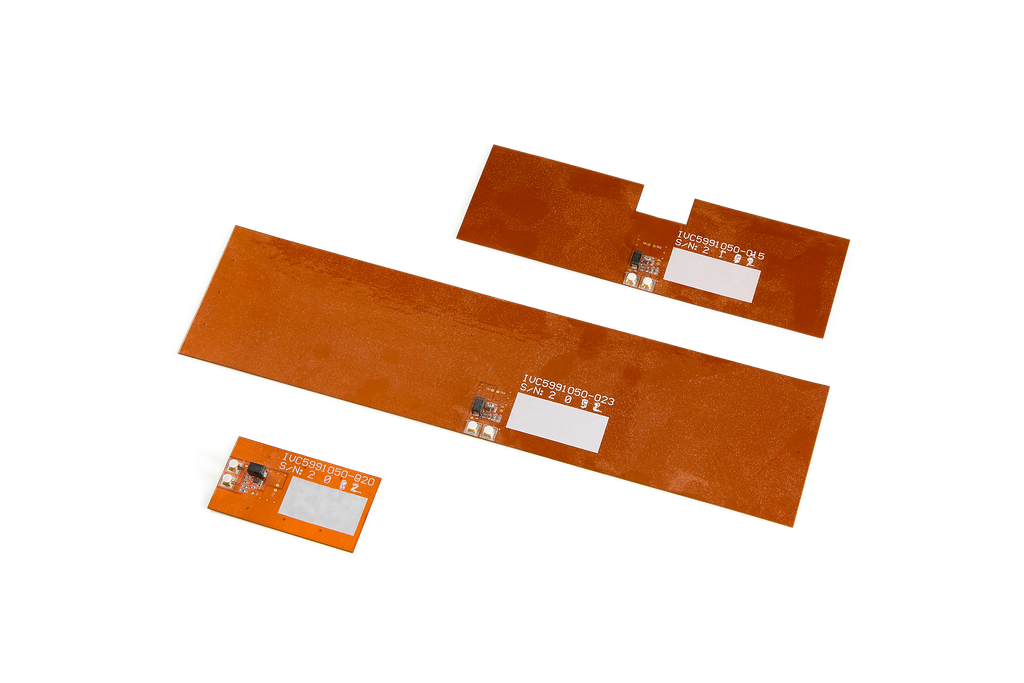
Hit Detection Systems
[ Start a Conversation ]
Bring Us Your Hardest Problem
Invocon’s engineering team partners with prime contractors, government agencies, and commercial space companies on custom flight hardware, instrumentation, and mission support. Most engagements begin with a 30-minute scoping call.
Info_request@invocon.com · (281) 292-9903 · Conroe, Texas