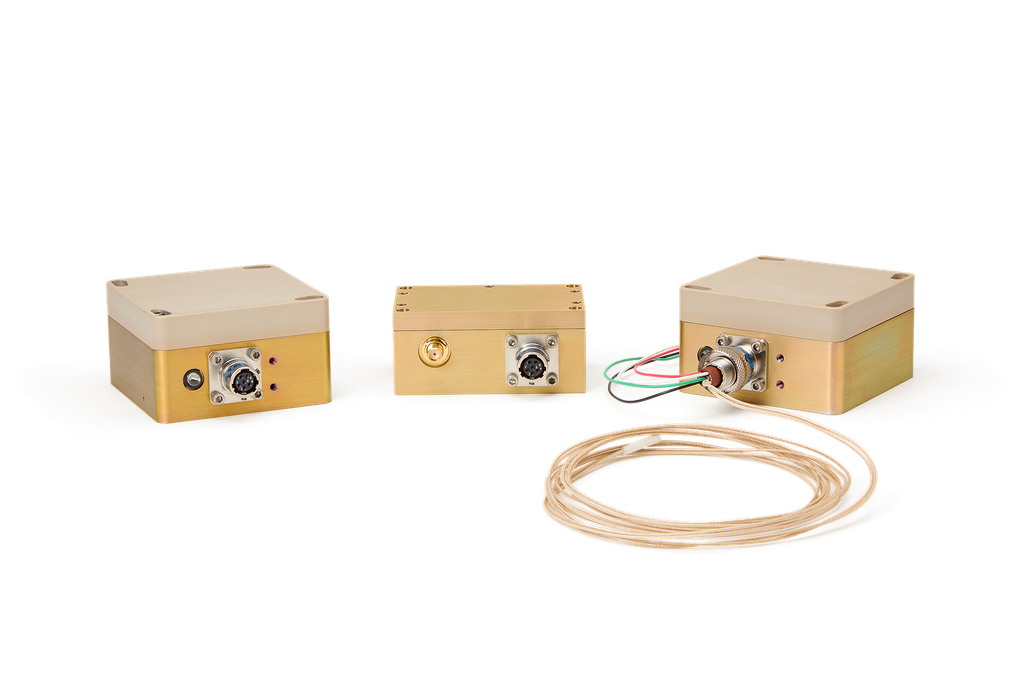
Key Specifications
Key Features
- Distributed Wireless Sensor Architecture
Multiple remotely mounted sensor nodes transmit temperature data from locations throughout the spacecraft to the central REBR-W unit, eliminating wiring across structural panels.
- High-Temperature Measurement Capability
Sensor nodes use high-temperature-rated sensors positioned to capture temperature data through the extreme thermal environment of reentry.
- NASA ISS and Shuttle Heritage
Draws on Invocon’s 25+ wireless sensor system designs developed for NASA, providing a proven and mission-validated technology base.
Typical Applications
- Reentry Hazard Prediction Studies
Provides distributed temperature data to improve models of spacecraft breakup behavior and debris hazard prediction.
- Reentry Breakup Research
Characterizes thermal profiles across the host vehicle’s structure during atmospheric reentry to expand understanding of breakup phenomena.
- ISS Visiting Vehicle Instrumentation
Installed on cargo vehicles docking with the ISS and intentionally deorbited at end of mission for reentry data collection.
- Spacecraft Deorbit Planning
Data supports planning for controlled and uncontrolled reentries by validating thermal and breakup models.
Available Configurations
[ Product Portflio ]
Related Products
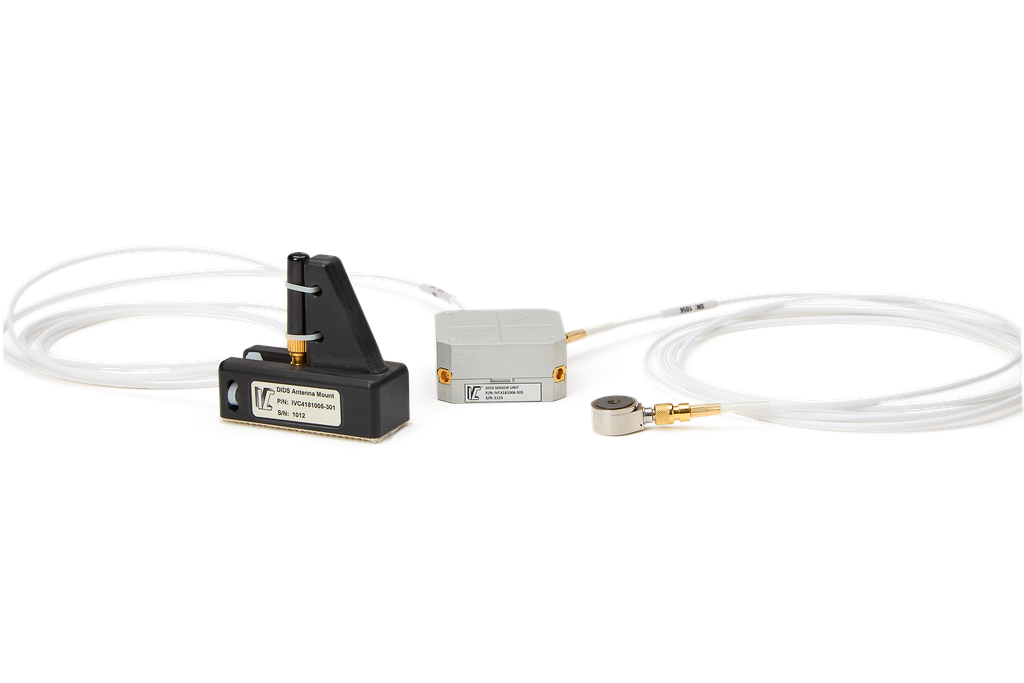
Distributed Impact Detection System (DIDS)
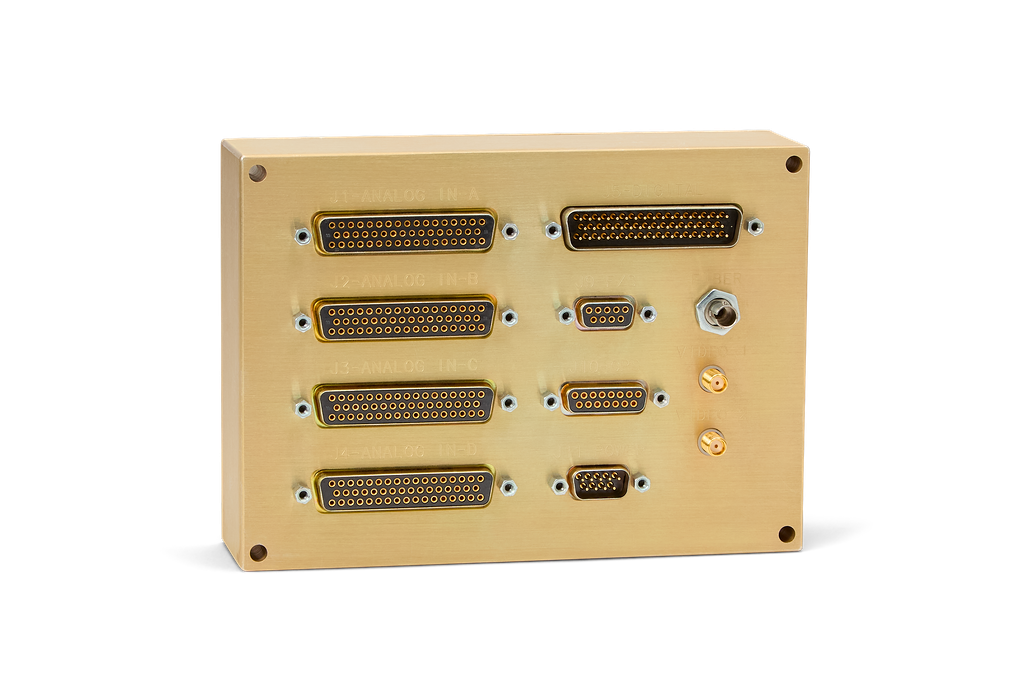
Integrated Pulse Coded Modulation Encoder (iPCMe)
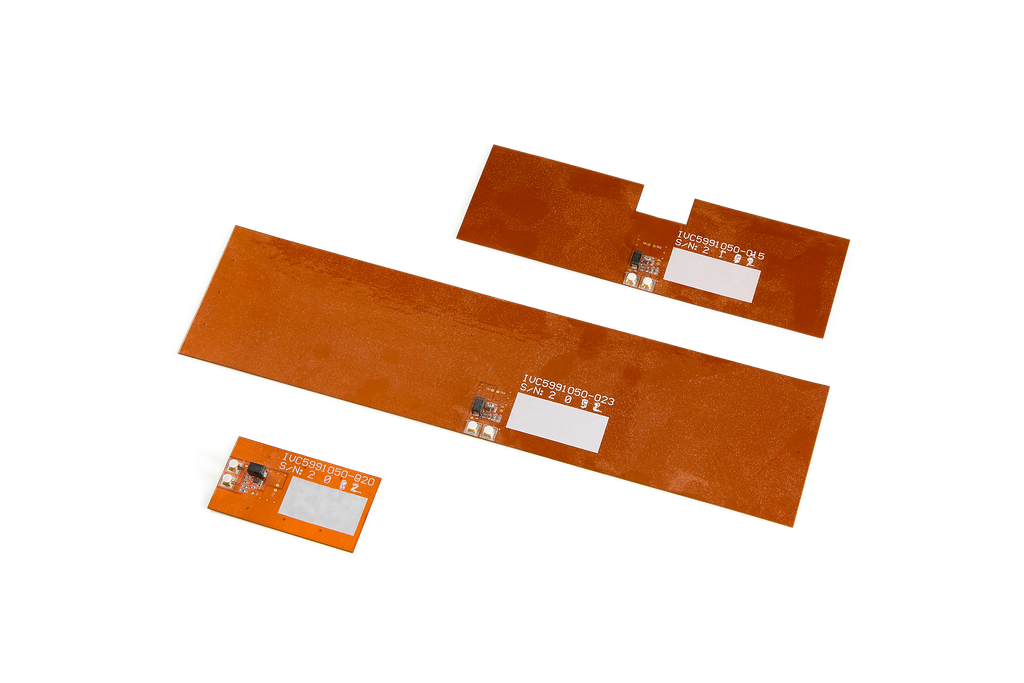
Hit Detection Systems
[ Start a Conversation ]
Bring Us Your Hardest Problem
Invocon’s engineering team partners with prime contractors, government agencies, and commercial space companies on custom flight hardware, instrumentation, and mission support. Most engagements begin with a 30-minute scoping call.
Info_request@invocon.com · (281) 292-9903 · Conroe, Texas